Expert Diesel Engine Repair Service: Keep Your Engine Operating Efficiently
Qualified diesel engine servicing support prove essential in sustaining engine productivity and reliability. Seasoned technicians harness precision diagnostic instruments to locate issues before they intensify. Scheduled maintenance not only strengthens performance but also prolongs the engine's operational span. Recognizing the cues that communicate your engine requires care is indispensable. Given that common challenges can arise without warning, comprehending how to tackle them can cut costs and delays. What should one focus on when enlisting expert services?
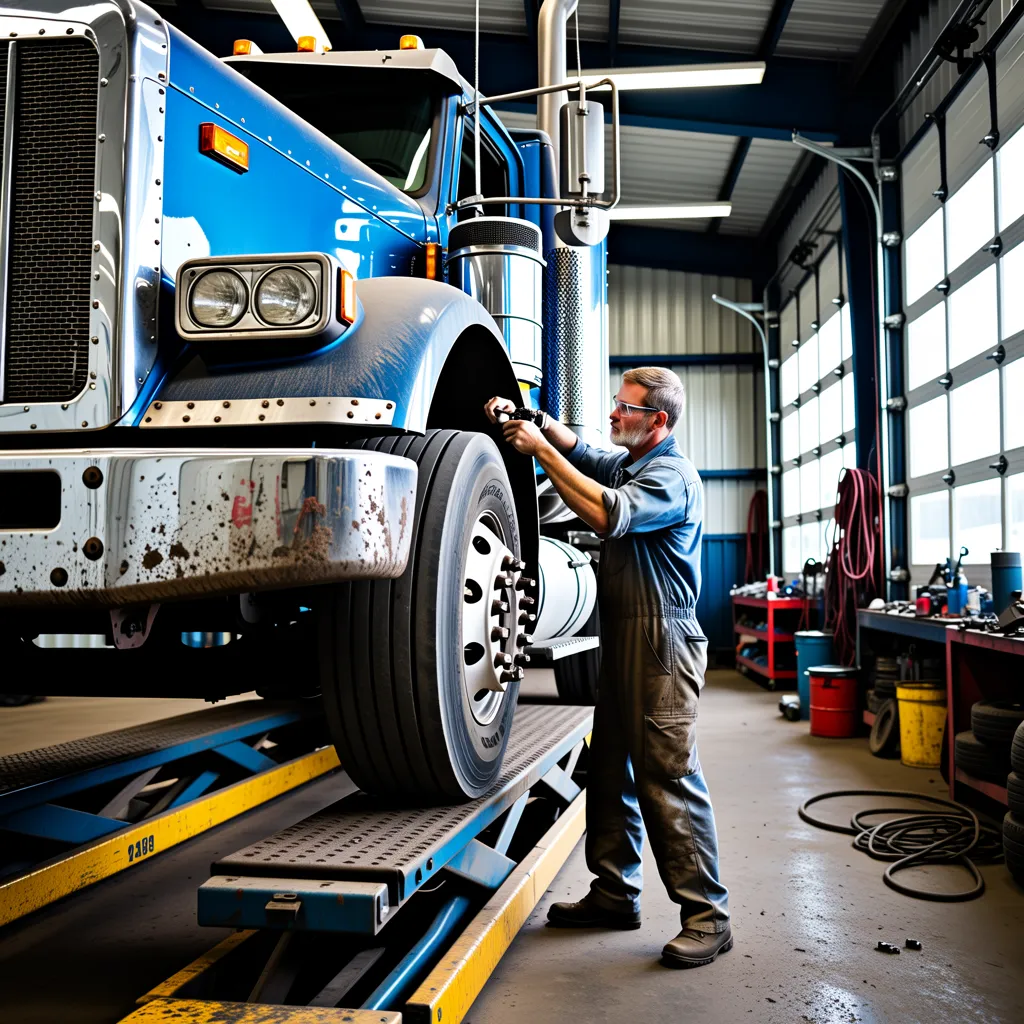
Recognizing When Your Diesel Engine Needs Help?
How does one know when a diesel engine demands attention? Various signs indicate that a diesel engine might need repair. Odd noises, including knocking or hissing, frequently indicate internal malfunctions. Also, heavy smoke from the exhaust—mainly black, blue, or white—can point to fuel inefficiency or oil leaks. A marked reduction in performance, like loss of power or stalling, points toward possible issues requiring quick inspection. Watching fluid levels is vital; low oil or coolant levels can signal leaks or other problems. Furthermore, an active warning light on the dashboard must not be overlooked, as it means a fault detected by the engine management system. Lastly, any noticeable shifts in fuel consumption may also serve as a warning. Catching these signals early can prevent more serious damage and prolong engine longevity.
The Importance of Regular Diesel Engine Maintenance
Regular diesel engine upkeep is crucial for guaranteeing peak efficiency and durability. Routine checks and maintenance help to detect potential issues before they develop into costly repairs. Maintaining the engine clean, changing the oil regularly, and examining filters are essential practices that enhance efficiency and reduce emissions. Moreover, monitoring fuel quality and maintaining the cooling system prevent overheating and improve overall dependability.
Ignoring servicing can lead to diminished fuel efficiency and increased wear on engine components, ultimately shortening the engine's lifespan. Regular inspections also provide opportunities to update software or make necessary adjustments to improve performance. Moreover, following a maintenance schedule helps maintain warranty coverage and guarantees compliance with environmental regulations. By prioritizing regular diesel engine maintenance, owners can benefit from a more effective, powerful, and dependable engine, contributing to lower operational costs and minimized downtime.
Why Experienced Diesel Engine Repair Services Matter
Professional diesel engine repair solutions are vital in providing precise diagnostics and efficient solutions. By tackling issues quickly, they help avoid costly breakdowns that can disrupt operations. Additionally, their expertise contributes to enhancing the overall longevity of diesel engines, safeguarding investments over time.
Expert Understanding Provides Accurate Diagnostics
When a diesel engine encounters issues, the importance of expert diagnostics cannot be overstated. Experienced technicians possess the understanding and equipment necessary to correctly detect difficulties that may not be readily evident. Their proficiency allows them to understand complex data from testing instruments, ensuring that the underlying source of the issue is pinpointed rather than simply handling surface symptoms. This detailed strategy minimizes the risk of incorrect diagnosis, which can lead to unwarranted maintenance and lengthy downtime. Furthermore, professional analysis add to a more efficient repair process, allowing for rapid and effective solutions. Ultimately, relying on experts not only boosts engine performance but also extends the durability and reliability of the diesel engine, making it an indispensable element of maintenance.
Prevents Significant System Failures
Averting expensive failures is a primary advantage of utilizing skilled diesel engine maintenance services. These experts have the expertise and experience to identify potential issues before they develop into significant problems. Consistent maintenance, executed by experienced technicians, guarantees that engines operate efficiently, reducing the likelihood of unexpected failures. By handling small repairs quickly, professional services mitigate risks connected with extensive damage, which can result in costly repairs and extended downtime. Furthermore, expert diagnostics support in understanding the engine's particular needs, enabling personalized solutions that enhance performance. Investing in such services ultimately protects against the monetary burden that unexpected breakdowns can impose, assuring that operations stay uninterrupted and costs remain controlled.
Enhances Engine Longevity
Using professional diesel engine repair services not only prevents costly breakdowns but also significantly enhances the longevity of engines. Skilled technicians have specialized knowledge and resources to detect and correct potential problems before they worsen. Regular maintenance, including oil changes and filter replacements, ensures peak performance and lowers wear on engine components. Furthermore, these services often employ advanced diagnostic methods that identify inefficiencies or malfunctions that might otherwise go undetected. By addressing issues early, diesel engine repair specialists can considerably extend the engine's operational life. This proactive method promotes reliability and efficiency, ultimately resulting in reduced operational costs over time. Essentially, investing in expert repair services is a wise decision for those seeking longevity from their diesel engines.
Primary Diesel Engine Malfunctions and Approaches to Remedy Them
Throughout the world of diesel engines, multiple typical problems can limit performance and efficiency. Acknowledging these problems, together with introducing preventative maintenance and effective repair techniques, is important for optimal operation. This breakdown will detail key challenges and solutions for maintaining diesel engine reliability.
Frequent Diesel Engine Complications
Diesel engines, known for their durability and efficiency, can face a variety of issues that may hinder operation. One frequent issue is contaminated fuel, which can cause poor combustion and decreased output. Additionally, failed injectors is a common problem, often causing misfiring or rough idling. Another concern is overheating, usually due to leaking coolant or a faulty thermostat, which can severely damage engine components. Air intake restrictions, such as clogged filters, can limit airflow and reduce performance. Finally, abundant exhaust smoke may indicate incomplete combustion, often linked to worn piston rings or faulty valves. Tackling these issues promptly is crucial to maintaining the optimal engine operation and durability.
Preventative Maintenance Recommendations
Ensuring a diesel engine's performance requires consistent preventative maintenance practices designed to address common issues. Performing routine oil changes is necessary because fresh oil provides proper lubrication and reduces wear. Regularly checking and replacing fuel filters avoids clogging that can hinder engine performance. Keeping an eye on coolant levels and confirming the cooling system's effectiveness helps prevent overheating. Additionally, inspecting and maintaining the air intake system is important for maximum combustion efficiency. Periodic checks of belts and hoses for wear can avert unexpected breakdowns. Finally, routine diagnostics can detect potential issues early, allowing prompt intervention and minimizing costly repairs. Adhering to these practices supports engine longevity and reliable function.
Fix Approaches Overview
Identifying and tackling common diesel engine problems is crucial for ensuring peak functionality and durability. Typical problems encompass fuel delivery failures, excessive heat, and excessive exhaust fumes. Successful repair methods often require diagnostics to identify the underlying cause, followed by specific solutions such as replacing fuel injectors or cleaning fuel filters. Overheating can be managed by checking coolant levels and inspecting the radiator, while exhaust problems may necessitate the replacement of the catalytic converter. Routine upkeep, such as oil changes and air filter replacements, can prevent many issues from occurring. By using these repair strategies, diesel engine owners can improve reliability and efficiency, ultimately prolonging the life of their engines.
Choosing the Best Diesel Engine Repair Shop
When searching for the best diesel engine service center, one must consider various factors that can greatly impact the quality of service. First, the shop's standing is vital; online feedback and testimonials can provide insight into previous customer experiences. In addition, the qualifications and experience of the technicians are crucial, as skilled professionals can accurately diagnose and fix issues.
Access to modern equipment and technology also plays a significant role for proficient repairs. A shop that is well-equipped is able to execute repairs efficiently and accurately. Further, honest pricing structures and transparent warranty provisions can denote a trustworthy establishment.
Finally, proximity with the customer's vicinity may increase convenience, notably during emergencies. By carefully evaluating these aspects, individuals can make informed decisions when read guide selecting a diesel engine repair shop that fulfills their specific needs.
Methods for Extending the Life of Your Diesel Engine
A couple of basic techniques can significantly extend the lifespan of a diesel engine. Routine upkeep is crucial; following the manufacturer's maintenance plan guarantees timely oil changes and filter changes. Using high-quality fuel can also make a substantial impact, as it reduces the likelihood of injector deposits and improves combustion efficiency.
Monitoring engine temperature is essential. Overheating can result in severe damage, so maintaining adequate coolant amounts and fixing any fluid loss promptly is crucial. Additionally, keeping the air intake system free of debris stops dirt and debris from getting into the engine, which can create deterioration.
Driving behaviors play a part as well; avoiding excessive idling and rapid acceleration can reduce strain on the engine. Finally, investing in a reliable diagnostic tool allows for early detection of issues, enabling proactive measures that can prevent costly repairs. By implementing these strategies, diesel engine owners can guarantee their engines remain reliable and efficient for years to come.
Common Inquiries Posed Regularly
What's the best way to identify a skilled Diesel Engine Technician?
To find a competent diesel engine professional, one should solicit referrals, review online feedback, confirm certifications, and ask about experience with specific engine types. Evaluating multiple candidates assures selecting the most capable professional for the job.
What Equipment Do I Need for Basic Diesel Engine Upkeep?
For basic diesel engine upkeep, necessary instruments include wrenches, screwdrivers, pliers, oil filters, a multimeter, a fuel pressure gauge, and a torque wrench. These tools help guarantee proper upkeep and troubleshooting of diesel engines.
Can I complete My Own Diesel Engine Repairs?
Yes, one can complete their own diesel engine repairs with the suitable tools, technical skill, and preventative measures. However, challenging issues may require professional intervention to secure top-notch performance and circumvent further mechanical damage.
How often Should I Check My Diesel Engine's Oil Status?
Assessing a diesel engine's fluid status every 5,000 to 7,500 miles is advisable. Scheduled inspections guarantee optimal capability and hinder potential wear, supporting timely maintenance and prolonging the engine's longevity and optimization.
What Are Typical Indicators of a Failing Diesel Fuel Injector?
Frequent signs of a failing diesel fuel injector include rough engine idle, decreased fuel efficiency, excessive smoke from the exhaust, engine misfires, and a noticeable increase in engine noise during operation. Regular checks are suggested.